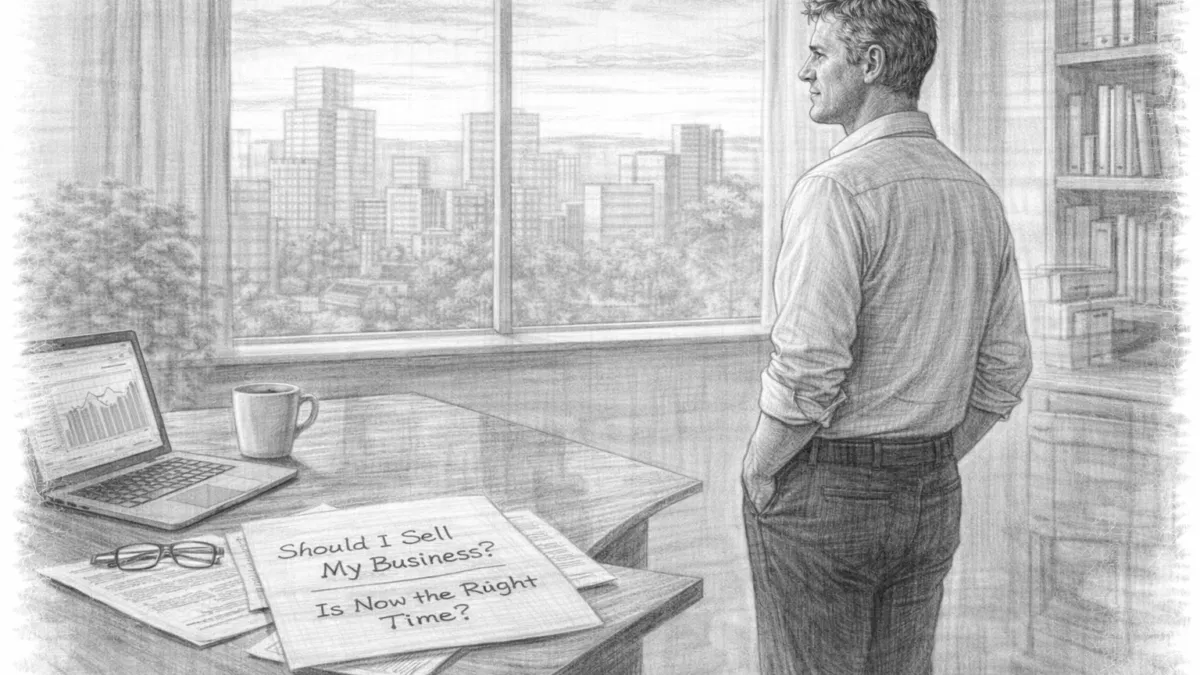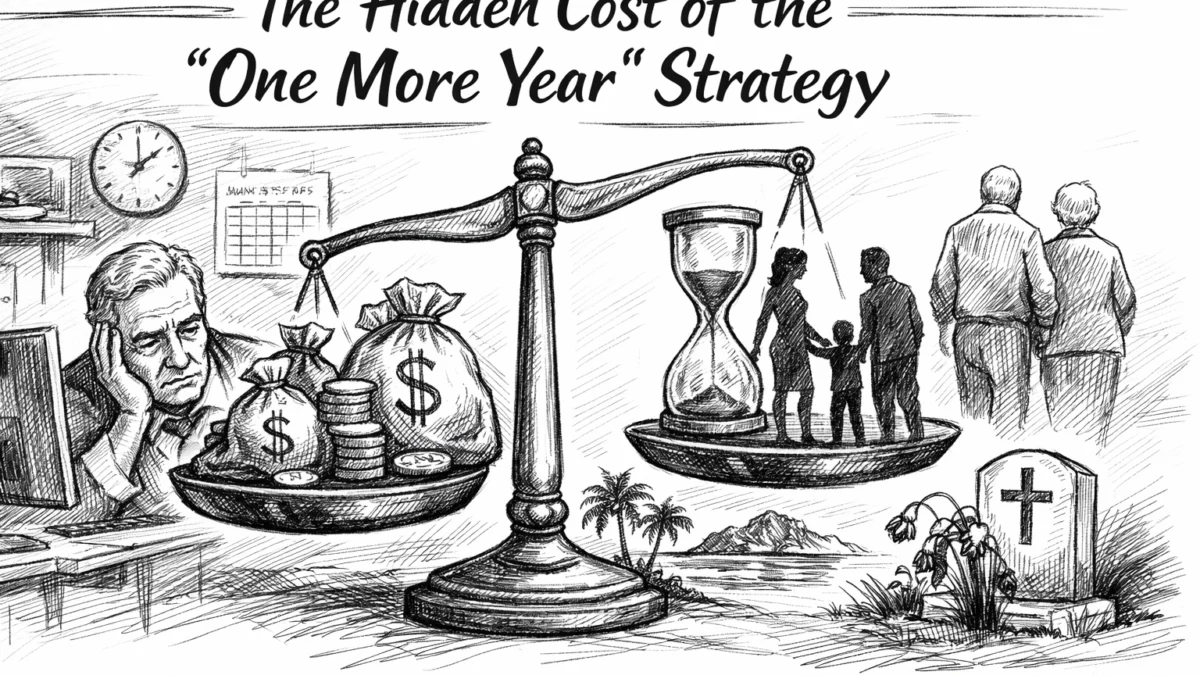
You are lying to yourself.
You call it "prudence." You call it "maximizing value." You tell your spouse that you just need to grind through one more year to hit that magic number.
It’s a comfortable lie. It feels like responsible planning.
In reality, "one more year" is the most expensive gamble a business owner can make.
You aren't just risking a year of your life. You are risking the entire principal of your legacy.
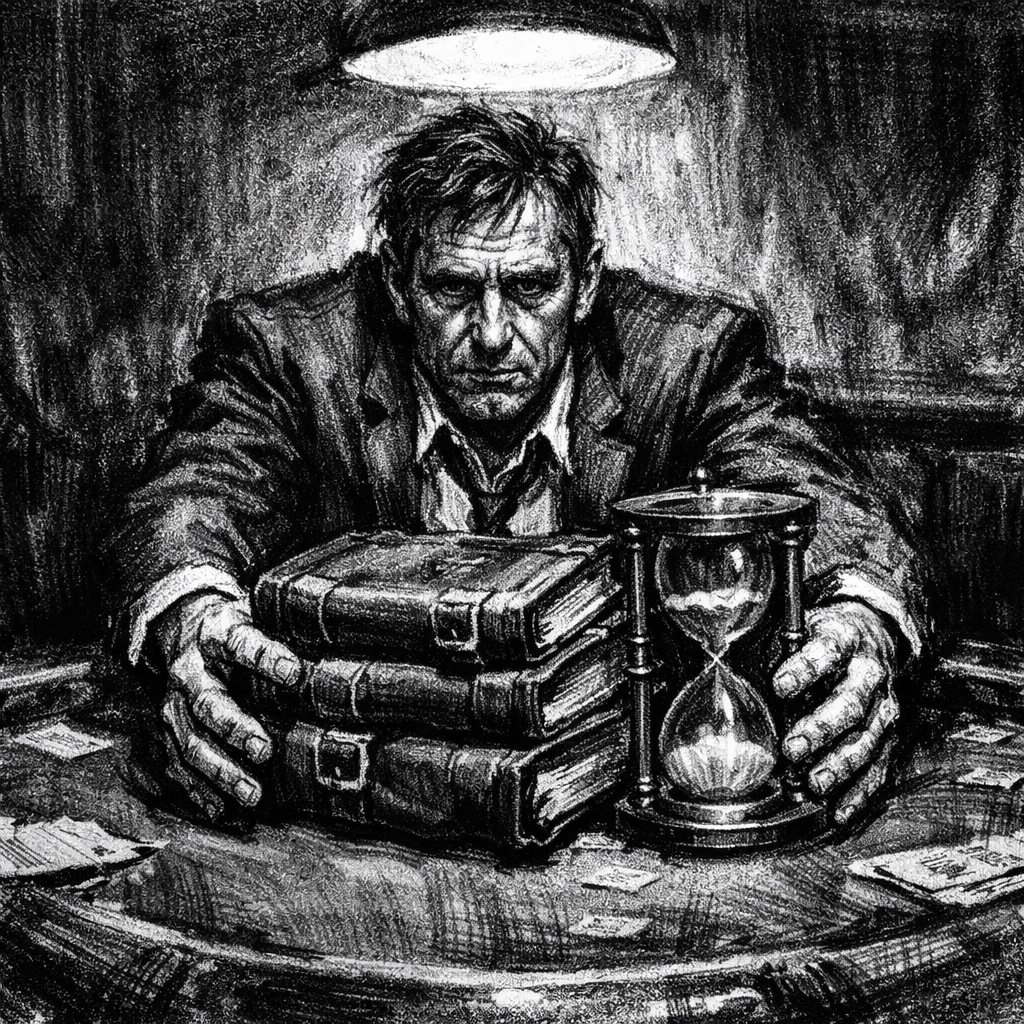
The Gambler’s Fallacy of the Exit
Most owners view their business like a savings account. They think if they leave the money in, it will naturally grow.
It doesn't.
A business is not a passive asset. It is a high-performance machine.
Machines wear out. Parts break. The operator gets tired.
If you decide to stay for twelve more months to squeeze out an extra 10% in valuation, then you are betting 100% of your current value to gain a fraction.
That is bad math.
If the market shifts, your 100% could become 60% in a heartbeat.
If your health fails, your 100% could become 0%.
If a key employee leaves because they see you coasting, the machine stops.
The "one more year" strategy assumes the world will stand still for you. It won't.
The Math of the Cliff
Let’s look at the numbers. They don't have feelings. They don't care about your "legacy."
Assume your business is worth $5 million today. You want $5.5 million. You decide to stay one more year to bridge the gap.
Scenario A: Everything goes perfectly. You work 2,500 hours, deal with 300 headaches, and sell for $5.5 million next year. You "won" $500,000.
Scenario B: A recession hits. Interest rates spike. Buyers disappear. Your $5 million valuation drops to $3.5 million.
To gain that $500k, you risked $1.5 million.
That is a 3-to-1 downside ratio.
Would you take that bet at a craps table? No. Then why are you taking it with your life’s work?
The exit planning process isn't about finding the peak. It’s about avoiding the cliff.
https://cdn.marblism.com/1L5dmwLWOgr.webp
The Efficiency Tax: Your Aging Business
There is a hidden cost to staying that most owners ignore: The Decay of Momentum.
Think about a PC fleet. Research shows that annual support costs for computers older than three years often exceed the price of buying a new one. They get slow. They get buggy. They become security risks.
Your business is the same.
When an owner decides to stay "just one more year," they stop investing. They stop buying the new software. They stop hiring the expensive talent. They stop taking risks.
If you stop investing in the future because you are leaving soon, then your business begins to rot from the inside out.
Buyers aren't stupid. They can smell "deferred maintenance."
They see the outdated systems. They see the tired staff. They see the lack of a growth pipeline.
When they see these things, they don't just pay you less. They discount the price by more than the cost of the fix.
If it costs $100k to fix your tech debt, a buyer will knock $300k off the price for the "risk" of doing it themselves.
The Burnout Multiplier
Valuation is tied to energy.
A business is worth more when it has "blue sky", the potential for future growth.
When you are in "one more year" mode, you are mentally checked out. You are counting down the days. You are a "short-timer."
You cannot lead a growth-oriented company while looking for the exit sign.
Your employees feel it. Your customers feel it.
If your energy drops by 20%, then your company’s momentum drops by 50%.
A business without momentum is a business in decline. In the eyes of a buyer, a business in decline is a "distressed asset."
You think you are waiting for a higher price. You are actually presiding over a slow-motion collapse.
https://cdn.marblism.com/c17SOpQMMlW.webp
The Market Doesn’t Negotiate
You might think you control the timing. You don't.
The market decides when it is time to buy. The clock decides when it is time to go.
If you wait for the "perfect" time to sell, then you will likely miss it. The perfect time is usually six months ago.
Market cycles are brutal. They don't provide a warning. They don't care that you wanted to wait until your kid finished college or until you hit a specific EBITDA target.
When the window closes, it stays shut for years.
Can you survive another five-year cycle? Do you have the stomach for another 2008 or 2020?
If the answer is anything but a resounding "yes," then you are staying for the wrong reasons.
What Is Your Life Worth?
We talk about money, but the real cost is time.
The "one more year" you spend grinding in a business you are ready to leave is a year you will never get back.
It is a year of missed sunsets. A year of stress-induced health issues. A year of being physically present but mentally absent at the dinner table.
What is the price tag on that?
If you sell today, you gain freedom. You gain the ability to start the next chapter while you still have the health to enjoy it.
Staying for "one more year" is often just an excuse to avoid the fear of the unknown. You don't know who you are without the title of "CEO" or "Owner."
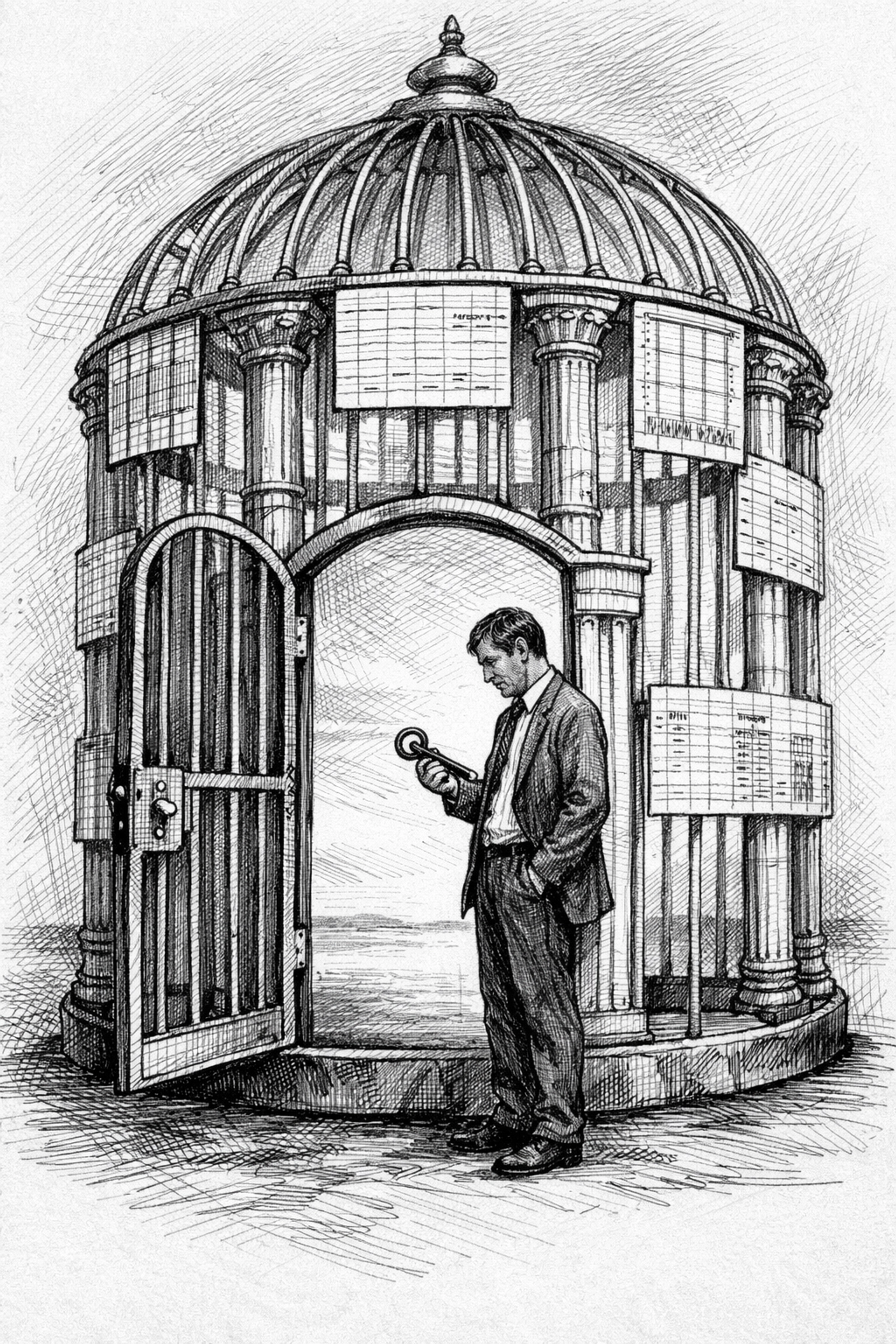
The business is your cage, and you are holding the key.
The Diagnostic: Are You Sabotaging Yourself?
Ask yourself these three questions. Be honest. There is no one here to impress.
- What breaks if you disappear tomorrow? If the answer is "everything," your business is a job, not an asset. Every year you stay makes that worse, not better.
- Are you still making 5-year bets? If you aren't willing to sign a 5-year lease or buy a 5-year piece of equipment today, you are already gone. Stop pretending otherwise.
- Is the "magic number" based on reality or ego? If your business is worth $4 million and you "need" $5 million, why? Is it for your lifestyle, or is it because $5 million sounds better at the golf course?
If you are staying to satisfy your ego, you are paying a massive tax for vanity.
Check what your business is really worth and face the reality of the market.
The Reality of the "Owner-Optional" Business
The goal isn't just to sell. The goal is to build an owner-optional business.
An owner-optional business is worth more today than a owner-dependent business will be worth in three years, no matter how much revenue you add.
If you spend your "one more year" making yourself obsolete, then that year has value.
If you spend your "one more year" just doing more of the same, then you are just burning daylight.
Most owners do the latter. They work harder to make the numbers look better, while making the business more dependent on them. They are literally devaluing the asset while trying to grow it.
https://cdn.marblism.com/zMt5E0crENk.webp
The Truth About Timing
There is no "perfect" time. There is only "now" and "too late."
The "one more year" strategy is a trap built on the illusion of control. It assumes you control the economy, your health, your employees, and your competition.
You don't.
The only thing you control is the decision to act.
If you act while you have the strength, then you dictate the terms.
If you wait until you have to sell, then the buyer dictates the terms.
Don't let the clock decide for you.
Your Move
Stop calculating the potential gain of staying. Start calculating the certain risk of not leaving.
- Get a real valuation. Not a "back of the napkin" guess. A real look at what a buyer would pay today.
- Set a hard date. Not a "maybe next year." A date on the calendar.
- Audit your involvement. List everything only you can do. Hire someone to do it.
The clock is ticking. It doesn't pause for your "one more year."
Decide now, before the choice is taken away from you.
Visit our resources to start your real exit plan today.