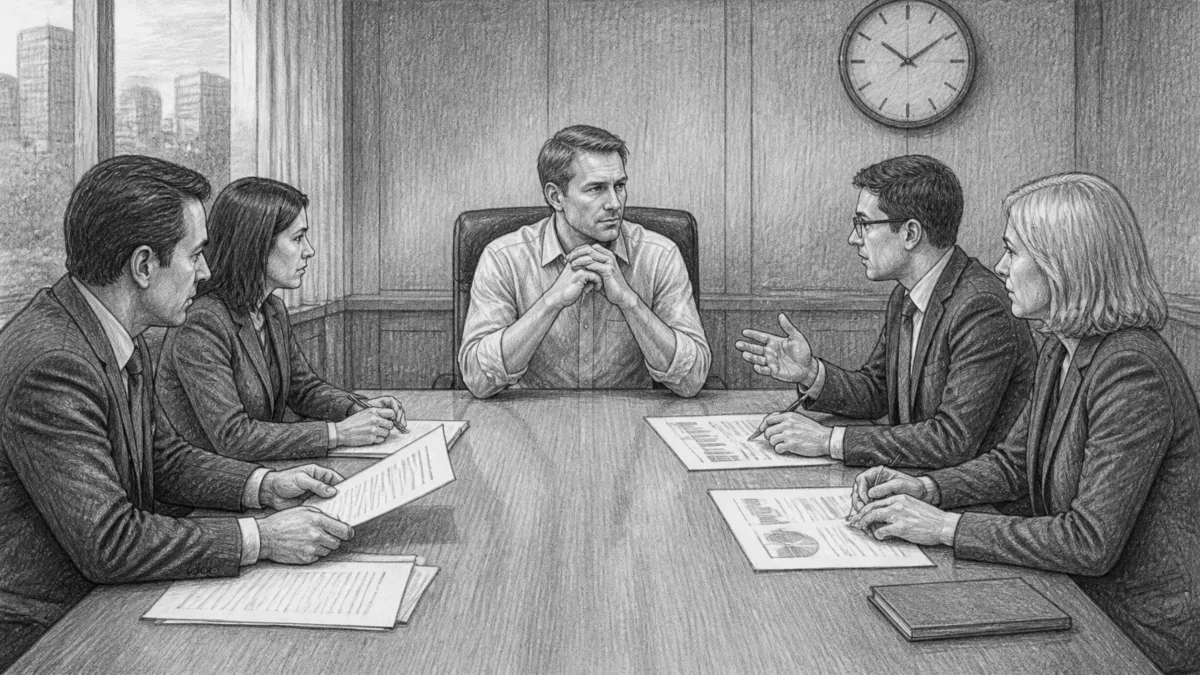
You built this company from nothing.
You were the first one in and the last one out. You know the names of your customers' kids. You’re the only one who knows how to fix the vintage press in the warehouse when it jams. You are the glue, the engine, and the pilot.
You feel like a hero.
The market calls you a liability.
In the world of business valuation, "Heroism" is a red flag. It’s a polite way of saying your business is actually a high-paying, high-stress job that you own. And nobody wants to buy your job. They want to buy an asset.
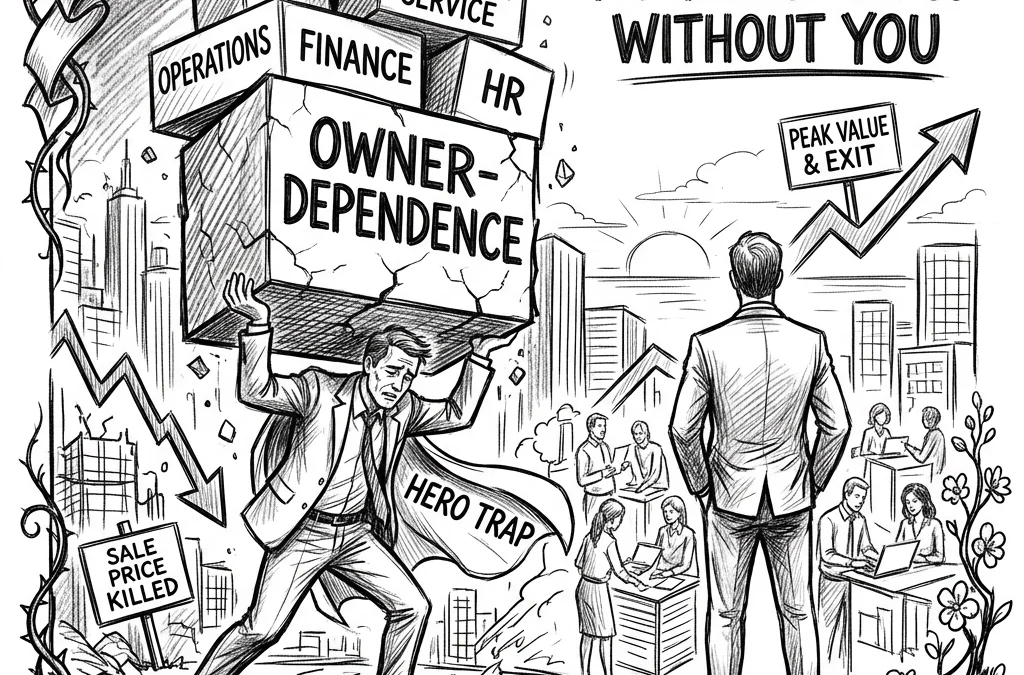
If you are the center of your business universe, you aren't building a legacy. You’re building a cage. And when it comes time to sell, that cage will cost you millions.
The Ego Trap: Why Being "Essential" Is a Failure
Most owners think their value lies in their indispensability.
They believe that if the business needs them to survive, it proves how important they are. It’s a powerful hit of dopamine. Being the "fixer" feels good. Being the person with all the answers provides a sense of security.
But here is the blunt truth: A business that cannot function without its owner is a business that isn't worth buying.
A buyer is looking for a machine that produces cash. If you are a vital part of that machine, the machine is broken the moment you walk out the door.
If you are the hero, the story ends when you leave. Buyers don't want to buy an ending; they want to buy a sequel that they can direct.
The Buyer’s Lens: Buying Results, Not Efforts
When a buyer looks at your profit and loss statement, they aren't just looking at the bottom line. They are looking at the risk associated with that money.
They ask one fundamental question: “What happens to this revenue if the owner disappears tomorrow?”
If the answer is "it drops by 40%," the buyer isn't going to pay you for 100% of the value. They will apply a massive risk premium. In simple terms, they will slash your valuation.
Owner-dependence isn't a personality trait. It’s a math problem.
- Low Dependence: Systems run the business. The owner manages the systems. Multiple: High.
- High Dependence: The owner runs the business. People manage the owner. Multiple: Low (if you can sell at all).

Where the "Hero" Kills the Value
It usually happens in three specific areas.
1. The Sales Trap
Are you the primary rainmaker? Do the big clients only want to talk to you?
If you are the "Face of the Company," the brand equity is tied to your DNA. When you sell, that equity doesn't transfer. It evaporates. A buyer looks at your client list and sees a list of people who might leave the moment you do.
To a buyer, your "strong relationships" look like a massive risk to future revenue.
2. The Operational Bottleneck
Do you make every decision? From the color of the marketing brochure to the terms of a new vendor contract?
If every path leads back to your desk, you have created a culture of permission, not a culture of performance. You have trained your staff to stop thinking. This makes your business incredibly fragile.
Buyers want to see a management team that can navigate a crisis without calling the former owner on his honeymoon.
3. The Strategic Void
If you are busy fighting fires every day, who is looking at the horizon?
Owners who are the "Hero" in the day-to-day operations rarely have time for strategic leadership. They are too busy being a technician. Buyers want to see documented goals, product positioning, and innovation roadmaps. If those only exist in your head, they don't exist in the deal.
The Math of the "Hero Discount"
Let's look at the numbers.
Imagine two businesses, both netting $1M in EBITDA (Earnings Before Interest, Taxes, Depreciation, and Amortization).
Business A: The owner is the CEO. There is a strong GM and a sales team. The owner works 10 hours a week on strategy.
Business B: The owner is the CEO, the lead salesperson, and the chief problem solver. They work 60 hours a week.
Business A might sell for a 6x multiple ($6M).
Business B might sell for a 3x multiple ($3M) with a heavy earn-out.
That "Hero" status just cost the owner of Business B $3 million. That is a very expensive ego boost.
The Post-Sale Prison: The Earn-Out
If you are the hero and you manage to find a buyer, prepare for the "Post-Sale Prison."
Because the business is so dependent on you, the buyer will likely insist on a long transition period or an "earn-out." This means you don't get all your money upfront. You have to stay and work for the new owner for two, three, or five years to prove the business can survive.
You are no longer the hero. You are an employee in the house you used to own.
If you want to walk away with a clean break and a full check, you need to build a business that runs without you.
Diagnostic: What Breaks if You Disappear?
Ask yourself these questions. Be honest. The market will be.
- Could you take a 30-day vacation without checking your email once? If the answer is no, your business is owner-dependent.
- Does your sales team have the authority to close a deal without your signature? If no, you are a bottleneck.
- If your top three customers left, would your business survive? (Often, these customers stay because of you, not the business).
- Is there a written manual for every key process in the company? If the "manual" is in your head, the value stays in your head.
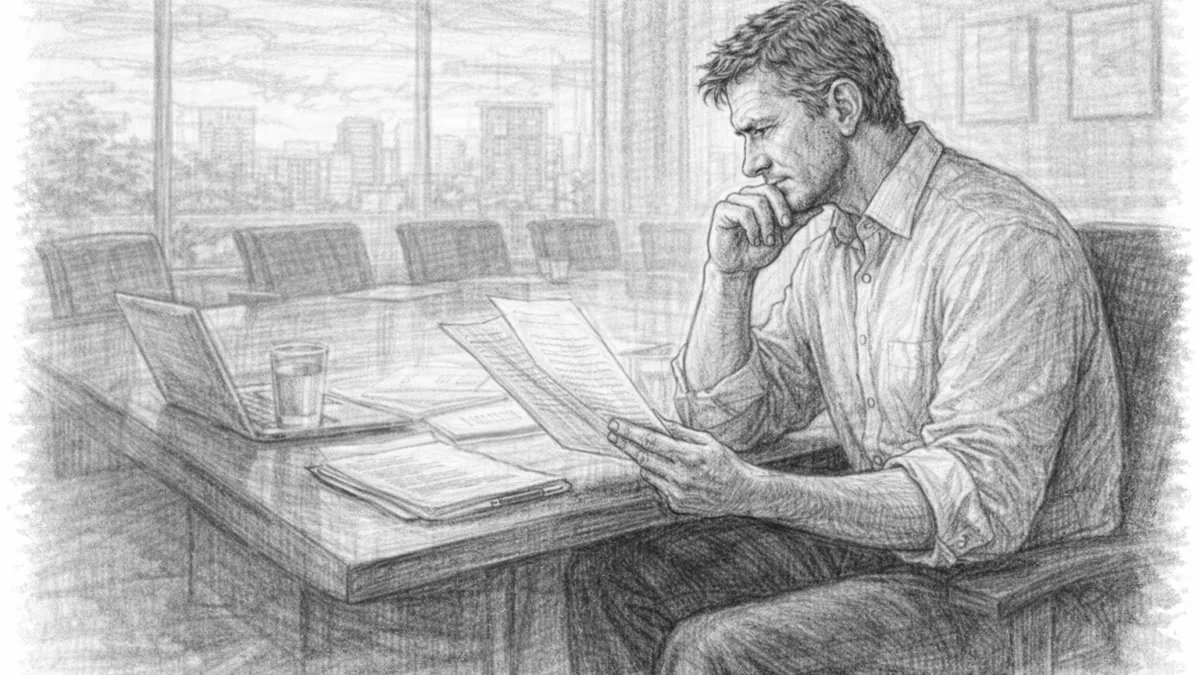
From "Hero" to "Architect"
The transition isn't easy. It requires letting go of control and, more importantly, letting go of the need to be needed.
You have to stop being the "Genius with a thousand helpers."
Instead, you must become the architect of a system. Your job is no longer to do the work; your job is to build the machine that does the work. This is the hallmark of the owner-optional business.
- Standardize Everything: If a task is done more than twice, it needs a Process Document.
- Empower Your People: Give them the authority to fail on a small scale so they can learn to succeed on a large scale.
- Diversify Your Relationships: Introduce your team to your key vendors and customers. Make yourself the least important person in the room.
The Clock Is Deciding
Every day you remain the hero is a day your business loses value.
Time is not on your side. Unexpected things happen. Health scares, market shifts, or simple burnout can force a sale before you are ready. If you wait until you have to sell to stop being the hero, it will be too late.
The buyer will see your exhaustion. They will see the cracks in the foundation. And they will price your business accordingly.

You deserve to be rewarded for the years of risk you took. But the market doesn't reward hard work; it rewards transferable systems.
Stop trying to be the hero of the story. Start being the owner of a valuable asset.
Your Move
- Audit Your Calendar: Identify three tasks you did this week that only you can do.
- Assign a Deputy: Pick one of those tasks and train someone else to do it by next Friday.
- Review the Checklist: Take a look at the exit options checklist and see how "Transferability" ranks on your list of priorities.
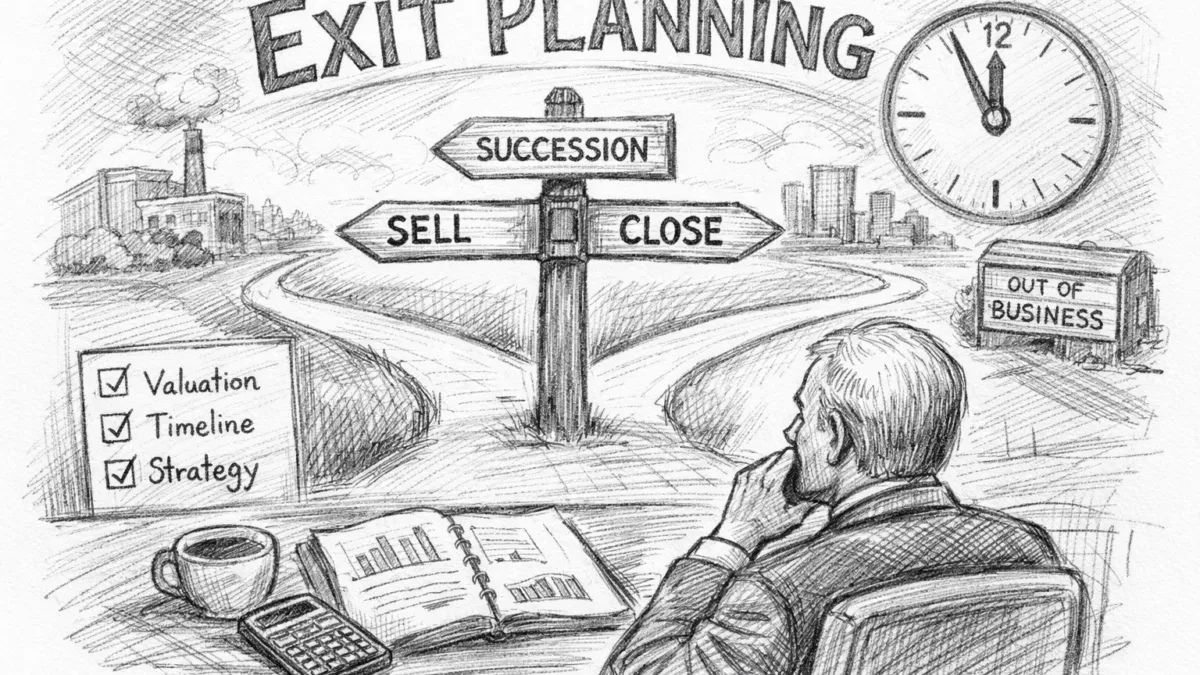
The best time to stop being the hero was five years ago. The second best time is today. Don't wait for the clock to decide for you.