At some point, nearly every business owner asks the same question:
What is my business actually worth?
And then something interesting happens.
They avoid the answer.
Not intentionally. Not irresponsibly. But quietly, almost subconsciously.
Because once you know the number, things start to change.
Why Owners Avoid Valuation
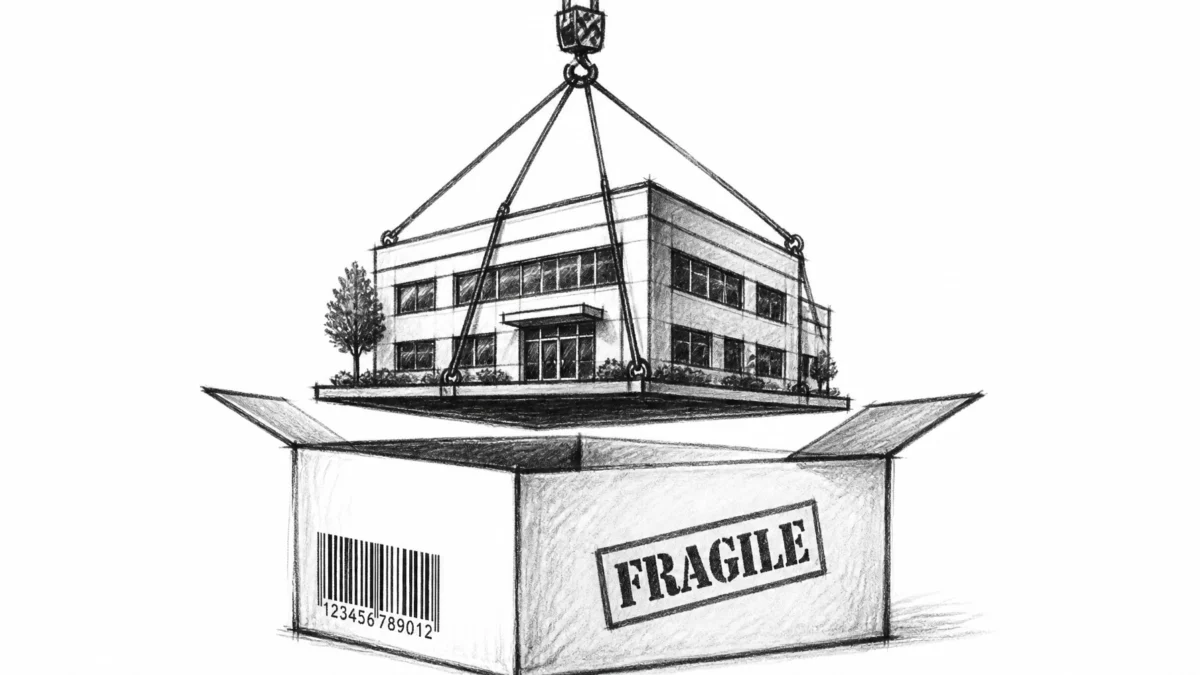
Knowing your business’s value forces clarity.
If the number is higher than expected, you may start thinking seriously about selling sooner than you planned.
If the number is lower than expected, you’re confronted with improvements that may take time.
Either way, the question creates momentum.
So many owners do what humans often do when faced with a difficult decision: they postpone it.
They stay busy running the business instead.
The “Someday” Trap
Without a valuation, the future stays vague.
You might say things like:
-
“Maybe I’ll sell in five years.”
-
“I’ll see what the market looks like later.”
-
“Let’s just keep growing for now.”
None of those are wrong.
But they aren’t decisions either.
They’re placeholders.
And placeholders have a way of stretching longer than we expect.
The Number Changes Everything
When owners finally learn what their business is worth, something shifts.
Suddenly the conversation becomes real.
You can begin asking meaningful questions:
-
Is this enough for the next chapter of life?
-
What would increase this value over the next few years?
-
How dependent is the company on me?
-
What would a buyer see that I don’t?
Clarity replaces speculation.
And clarity leads to better decisions.
What Actually Drives Business Value
Many owners assume value is tied primarily to revenue.
Buyers see it differently.
They focus on a handful of key factors:
Cash Flow
Predictable earnings matter far more than top-line revenue.
Risk
Customer concentration, supplier dependency, and market volatility all affect value.
Transferability
Can the business operate without the owner?
Systems and Process
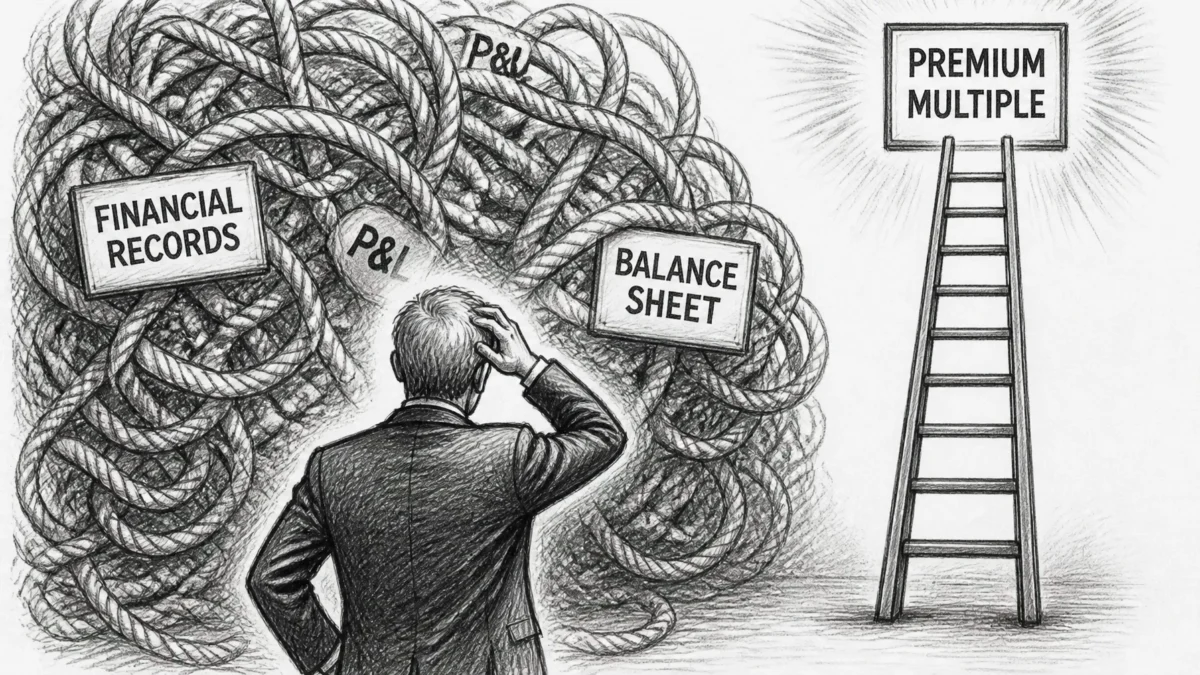
Businesses with documented operations sell more easily and often for higher multiples.
Growth Potential
Buyers pay for the future as much as the past.
Understanding these drivers helps owners see their business the way the market does.
Valuation Is Not a Commitment to Sell
This is one of the biggest misconceptions.
Getting a valuation does not mean you are selling.
It simply means you’re informed.
In fact, many owners who learn their valuation decide to keep building for several more years — but now they know exactly what improvements could increase value.
If you want to understand how valuations connect to a structured selling process, you can review the framework here:
https://visionfox.com/business-brokerage/
Knowledge creates options.
Why Early Clarity Matters
Most business owners spend decades building their companies.
Yet surprisingly few know the value of the asset that represents the majority of their wealth.
That’s a risky blind spot.
Because when life forces a decision — health changes, burnout, partnership disputes, or unexpected opportunities — owners often don’t have the information needed to move confidently.
Valuation removes that uncertainty.
A Better Question to Ask
Instead of asking:
“Should I sell my business?”
Start with a simpler question:
“What is my business worth today?”
It’s a quieter question.
Less emotional.
But it opens the door to clearer thinking.
Once you know the number, you can decide whether to grow it, protect it, or eventually convert it into the next chapter of your life.
And that kind of clarity puts you back in control — long before the clock decides for you.
Published by the Vision Fox Advisory Team — helping business owners gain clarity about value, timing, and exit strategy.