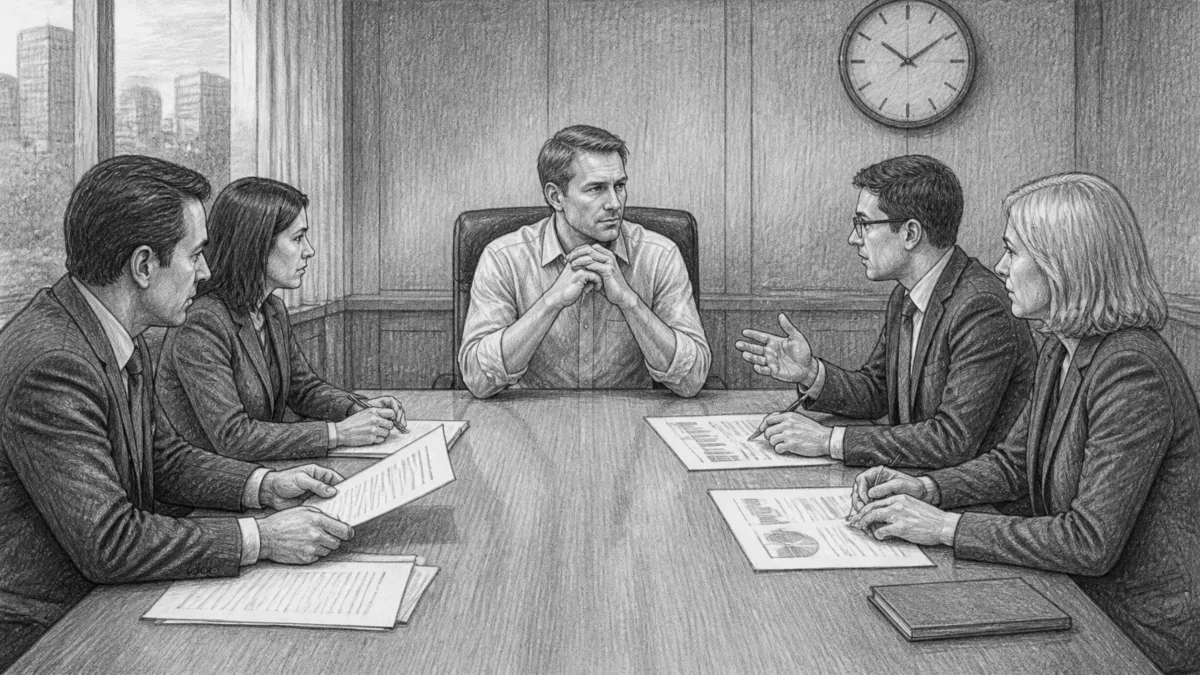
Most business owners think they are building an asset.
In reality, they are often just building a high-pressure job for themselves.
When it comes time to sell, they are shocked to find that the market doesn’t care about their hard work, their "sweat equity," or their years of late nights.
The market only cares about one thing: Can the business survive without you?
If the answer is no, your business isn't an acquisition target. It’s a liability.
A buyer is not looking to buy your stress. They are looking to buy a machine that produces cash.
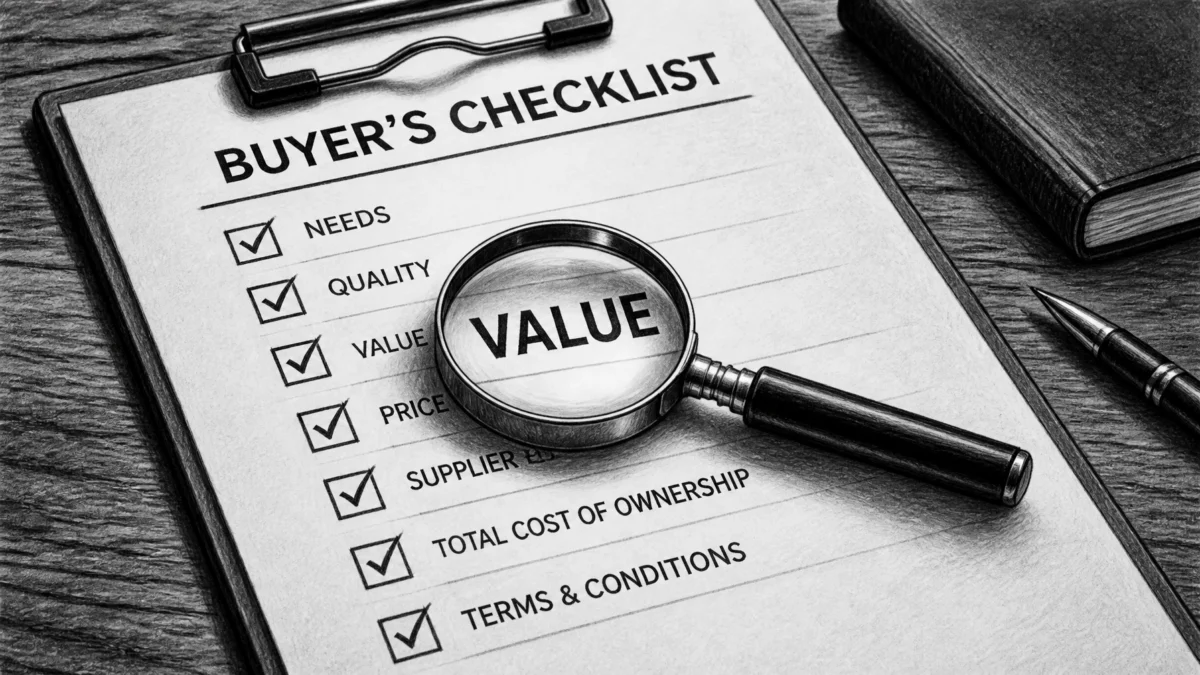
Here is the shortlist of what actually determines if your business is worth acquiring or if it’s destined to die on the table.
1. The "Owner Trap" (Independence)

Ask yourself this: What breaks if you disappear for three months?
If the answer is "everything," you don't have a business. You have a freelance gig with overhead.
Professional buyers are terrified of owner-dependency. They see you as a single point of failure.
- If you are the primary salesperson, the value drops.
- If you are the only one who knows how to fix the core product, the value drops.
- If every major decision must cross your desk, the value drops.
A business that requires the owner's presence to function is a business that cannot be sold.
Buyers want to see a management team: or at least a set of employees: who can keep the wheels turning while you are on a beach.
They are buying your systems, not your soul.
To understand how to escape this trap, you need to start exit planning earlier than you think.
2. The Truth in the Numbers

Numbers don’t lie, but they often hide the truth in small businesses.
Most owners run their businesses to minimize taxes. They bury personal expenses, travel, and "consulting fees" for family members in the books.
A buyer will not take your word for it.
They want "clean" financials. This means:
- Three to five years of consistent, accrual-based reporting.
- Tax returns that actually match your internal books.
- Clear documentation of "add-backs" (the personal stuff you ran through the business).
If your books are a mess, a buyer assumes the rest of the business is a mess too.
They will use your lack of clarity as a weapon to drive down the price or walk away entirely.
Before you even think about listing, you need a professional business valuation to see what the market actually sees.
3. The Ghost in the Machine (Systems)

Standard Operating Procedures (SOPs) are the secret language of value.
A buyer wants to see that your business is a repeatable process, not a series of daily miracles performed by you.
If your "process" is just "the way we've always done it," you have no "moat."
- Is there a written manual for how you onboard a client?
- Is there a checklist for how you handle a product defect?
- Is there a software system that tracks every lead from start to finish?
Buyers pay a premium for "plug and play" operations. They want to know that they can hand the keys to someone else and the machine will keep humming.
Without documented systems, you are asking the buyer to gamble on your "intuition."
Buyers don't gamble. They calculate.
4. The Risk of the "Big Fish"
Customer concentration is a deal-killer.
If one client represents 20% or more of your revenue, you have a massive problem.
In the eyes of a buyer, you don't own that revenue: the client does.
If that one client leaves the day after the sale, the buyer's investment is gutted. They will either demand a massive discount or an "earn-out" where you only get paid if that client stays.
A valuable business is a diversified business.
- Spread your risk across multiple industries.
- Ensure no single customer can bankrupt you by walking away.
- Focus on recurring revenue models over one-time "hero" projects.
The most expensive mistake you can make is waiting until you lose a major client to realize you should have sold a year ago.
5. The Transferability Test

Can the assets actually move to a new owner?
This is where the "boring" stuff matters:
- Are your contracts assignable to a new owner?
- Is your lease transferable?
- Do you own your trademarks and domain names outright?
If the business's success is tied to your personal brand or your personal relationships, it isn't transferable.
A buyer wants to buy a brand that stands on its own.
They want to know that the reputation of the company is bigger than the reputation of the founder.
If you are the "face" of the company, you need to start stepping back now. Start making the business the hero of the story, not yourself.
Your Move
You’ve spent years building this. Don’t let it be worth zero because you refused to plan.
The clock is deciding for you every day you wait.
1. Audit your dependency. If you left for 30 days, what would be the first thing to break? Document a process to fix it this week.
2. Clean the books. Stop running your life through your business account. Start presenting your company like the professional entity it is.
3. Get an outside perspective. You are too close to the problem. Talk to an advisor who sees what buyers see.
Ready to see where you stand? Contact Vision Fox Business Advisors for a clear-eyed look at your company's value.
Or, if you want to understand the mindset required to exit on your terms, read the book that started it all: Before the Clock Decides.
Stop being an operator. Start being an owner.
{“@type”:”BlogPosting”,”image”:”https://cdn.marblism.com/V0f84QkwsJw.webp”,”author”:{“name”:”Mike Steward”,”@type”:”Person”},”@context”:”https://schema.org”,”headline”:”The Buyer’s Shortlist: What Makes a Small Business Worth Acquiring”,”publisher”:{“logo”:{“url”:”https://beforetheclockdecides.com/logo.png”,”@type”:”ImageObject”},”name”:”Before the Clock Decides”,”@type”:”Organization”},”articleBody”:”Most business owners think they are building an asset. In reality, they are often just building a high-pressure job for themselves. When it comes time to sell, they are shocked to find that the market doesn’t care about their hard work… The market only cares about one thing: Can the business survive without you? If the answer is no, your business isn’t an acquisition target. It’s a liability…”,”description”:”Learn the criteria buyers actually use to evaluate small businesses and what separates a deal that gets done from one that dies on the table.”,”datePublished”:”2026-07-18″}